Abstract Floral Design Elements with Ora: Real-World Embroidery Review
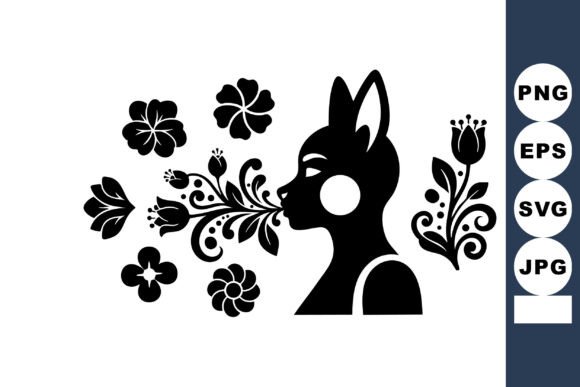
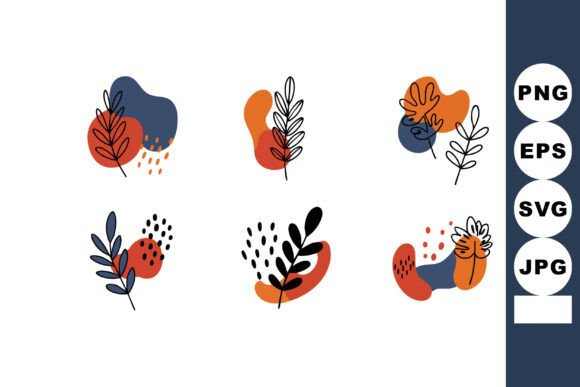
When I first opened the folder for Abstract Floral Design Elements with Ora, I wasn't looking for a generic floral pattern to fill space. As a designer who has spent years turning digital files into tangible, stitched products, I need designs that speak a clear language before they even hit the hoop. This set arrives as a vector illustration collection featuring abstract floral elements with orange and blue accents. The clean lines and minimalist style immediately suggested a modern artistic mood that could work well in specific contexts, but my job is to determine if it holds up under the pressure of real machine embroidery.
The First Stitch: Visual Personality and Mood
The moment you look at these graphics, the vibe is fresh and contemporary. Unlike traditional, overly detailed botanical illustrations that can get lost in stitching, this design relies on negative space and bold color blocking. The combination of warm orange and cool blue creates a dynamic contrast that feels energetic yet balanced. In the world of design assets, this kind of simplicity is often the hardest to pull off because it requires precision. However, Abstract Floral Design Elements with Ora manages to feel organic despite its geometric roots.
I envision this not just as a decoration, but as a statement piece. It carries a personality that fits perfectly with boutique branding or modern home decor. When I think about how a customer perceives a handmade item, they are often drawn to items that look intentional and curated. This design delivers that sense of curation. It avoids the cluttered look that sometimes plagues busy floral patterns, making it an excellent candidate for custom apparel where you want the design to be seen without overwhelming the garment itself.
Real-Life Scenario: The Custom Tote Bag Project
To truly test the potential of this file, I ran a mental simulation of a common small business scenario. Imagine you are an Etsy seller preparing a batch of custom embroidered tote bags for a local artisan market. You need something that stands out on a rack full of similar canvas bags. You decide to use Abstract Floral Design Elements with Ora on a natural canvas tote.
The orange and blue accents pop beautifully against the neutral background. Because the design uses clean lines, the stitching remains sharp even when executed on a slightly textured fabric like heavy cotton canvas. The minimalist style ensures that the design doesn't get "muddy" after washing, which is a common complaint from buyers of mass-produced embroidered goods. If you were to stitch this on a dark navy tote, the orange would provide a striking focal point, while the blue accents might blend in slightly unless you chose a high-contrast thread. This flexibility makes it a versatile tool for creating small shop product lines that feel cohesive yet varied.
Performance Across Different Textiles and Products
The versatility of this embroidery file extends far beyond tote bags. Its structure suggests it would perform exceptionally well on structured items like caps and hats, where the design needs to follow a curve without losing its integrity. The clean lines translate well to the curved surface of a baseball cap, provided the hoop size is appropriate. For sweatshirt embroidery, the design offers a modern edge that moves away from the typical script-heavy logos found on hoodies.
I also see strong potential in the nursery and baby market. A simplified abstract floral motif works wonderfully for baby embroidery on onesies or blankets. Parents often prefer softer, more artistic designs over cartoonish characters, and the gentle curves of these flowers fit that aesthetic perfectly. Furthermore, for kitchen towels or aprons, the bright orange and blue accents add a splash of color that elevates the utility of the item, turning a standard kitchen towel into a personalized gift that feels special.
However, not every application is a guaranteed win. While the design is robust, it is important to consider where it might struggle. On very thin fabrics, the density required to hold the shape might cause puckering if not stabilized correctly. Similarly, on stretchy knit fabrics, the clean lines might distort if the stabilizer isn't rigid enough. This is why testing is non-negotiable.
Where to Exercise Caution
As an experienced reviewer, I must highlight areas where Abstract Floral Design Elements with Ora requires careful handling. If you are working with a small hoop size, pay close attention to the smallest details. While the lines are clean, tiny gaps between the orange and blue elements could become difficult to stitch cleanly if the resolution isn't high enough or if the needle count is too low.
Textured fabrics like terry cloth or thick fleece can hide the crispness of the design. The clean lines might get lost in the pile of the fabric, reducing the visual impact. Additionally, on dark fabrics, the blue accents might lose definition depending on the thread shade chosen. You will need to select a thread color that provides sufficient contrast to maintain the visual appeal of the original artwork.
Another critical factor is the finish. Designs with large areas of fill stitch require proper density settings. If the stitch density is too high, the fabric may pucker; if it is too low, the underlying material might show through, ruining the professional look. This is particularly relevant for commercial embroidery projects where consistency across hundreds of units is expected.
Practical Designer Notes for Success
Before you commit to running this design on your production line, there are several steps you should take to ensure a flawless finished product. First and foremost, always test the design on scrap fabric that matches your final project material. This allows you to see how the thread colors interact with the fabric texture and whether the satin stitch edges lay flat.
Review the stitch density in your digitizing software. Even though this is a vector illustration set, the conversion to stitches matters. Check the corners and any intersecting lines to ensure they don't create bulk. Inspect small details closely; sometimes what looks good on a screen can look crowded when stitched. I recommend testing the design in black and white mockups first to verify that the shapes remain distinct without relying solely on color.
Don't forget to check your licensing terms. Since this is a digital product available in SVG, EPS, and JPG formats, you need to confirm whether you have the rights to sell finished items made with this design. Many designers make the mistake of assuming all graphic downloads include commercial embroidery rights. Verify this before listing your items on platforms like Etsy or using them for holiday gifts sold at craft fairs.
Finally, consider the overall presentation. A well-executed embroidered patch or tote bag design using this file can significantly boost customer trust and brand consistency. The modern artistic mood of Abstract Floral Design Elements with Ora aligns with current trends that favor minimalism and bold color. By paying attention to stabilizer selection, thread quality, and pre-production testing, you can transform these digital graphics into high-value physical goods that customers love.
In conclusion, this is a solid addition to any designer's library. It balances artistic flair with practical stitchability, making it suitable for a wide range of projects from digital product previews to actual handmade products. With the right approach, Abstract Floral Design Elements with Ora can elevate your craft business and help you stand out in a crowded marketplace.