Floral Stripes: A Designer's Review for Real Embroidery Projects
I have spent years reviewing digital assets, testing them against the realities of the embroidery machine, and judging their potential in a commercial marketplace. When I first saw Floral Stripes, it didn't just look like another Illustrations category download; it looked like a versatile asset waiting to be stitched. As a designer who values practical application over flashy marketing, I wanted to know if this seamless pattern could survive the transition from a screen to a piece of fabric. After running through some mental scenarios involving custom apparel and boutique goods, here is my honest assessment of how this design performs in the real world.
The First Impression: Mood and Visual Personality
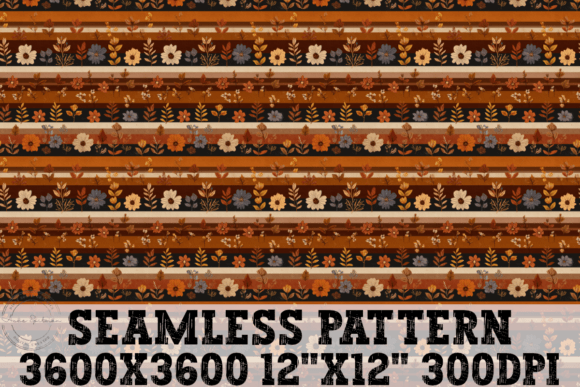
Floral Stripes immediately strikes a balance between structure and organic flow. The combination of linear elements with botanical motifs creates a visual rhythm that feels both modern and timeless. Unlike dense, heavy designs that can overwhelm a garment, this graphic digital design product offers breathing room. The 300 dpi color resolution ensures that the lines remain crisp, which is vital when you are planning to translate a raster image into a vector-based machine embroidery design.
The mood is fresh and inviting. It does not scream for attention but rather invites the viewer to lean in. For an Etsy seller or a small shop owner, this personality is gold. It fits perfectly into the current trend of "quiet luxury" in handmade goods—products that feel elevated without being ostentatious. Whether you are designing for a nursery or a kitchen, the aesthetic suggests quality and care, which are essential traits for building customer trust.
Real-World Application: From Screen to Stitch
Let me paint a picture of a real project scenario. Imagine you are preparing for the holiday season and need to create a line of custom embroidered aprons for a local boutique. You want something that looks professional but isn't too busy. This is where Floral Stripes shines. Because it is a tileable repeat pattern, you can use it to cover large areas on a linen apron or use a single section as a focal point on the chest pocket.
When I visualize this design being stitched onto a cotton canvas tote bag, the striped nature provides a strong foundation. The floral elements soften the rigid lines, making the final finished product feel approachable. It works exceptionally well for baby items, such as a onesie or a blanket border, where parents look for soft, non-aggressive patterns. The versatility extends to home decor as well; imagine these stripes running down the side of a pillow cover or framing a tea towel. In every case, the design elevates the perceived value of the item without requiring hours of complex digitizing work.
Technical Considerations for the Embroidery Designer
While the concept is sound, the execution depends heavily on how you handle the file. Since the source is a high-resolution .PNG format, you will likely need to trace or vectorize the image before sending it to your embroidery machine. Here is what you need to consider regarding stitch density and fabric texture.
- Stitch Density: If you convert the solid blocks of the stripes into fill stitches, ensure you do not overload the fabric. High stitch density can cause puckering, especially on lighter materials. Test the stitch density by reducing the coverage slightly to maintain fabric drape.
- Thread Colors: The original design is in color, but your thread palette might differ. Always check thread colors against your fabric background. On dark fabric, you may need to add a light underlay to make the colors pop, whereas on white fabric, the contrast should be natural.
- Hoop Size: Because this is a repeat pattern, the hoop size dictates how much of the design you can show at once. If you are working in a small hoop, you might only capture one stripe and part of a flower. Plan your placement carefully to avoid cutting off key elements of the pattern.
For those using this for commercial embroidery, remember that the clarity of the lines is paramount. If the original vectorization is weak, the satin stitches used for the borders of the stripes might look jagged. Take the time to review the pathing of the curves. A smooth curve makes all the difference in the professionalism of the final output.
Where to Use Caution
No design is perfect for every situation, and Floral Stripes has its limitations. I would advise caution when applying this to textured fabrics like bouclé or thick terry cloth. The needle might struggle to penetrate the loops, leading to skipped stitches that ruin the clean lines of the stripes. Similarly, stretchy fabrics like jersey require a stabilizer that matches the elasticity of the material; otherwise, the geometric nature of the pattern might distort as the fabric stretches during wear.
Avoid using this design on very small items unless you simplify it. Trying to fit a full repeat pattern onto a cap front or a tiny patch often results in a cluttered mess. In these cases, isolate a single floral motif or a short segment of the stripe. Also, be mindful of curved surfaces. While the pattern looks great on flat planes, wrapping it around a rounded hat brim can cause the alignment to shift, breaking the illusion of a continuous stripe.
Impact on Brand and Customer Perception
In the world of handmade products, details matter. A poorly executed design signals amateurism, while a clean, well-placed pattern signals expertise. Floral Stripes contributes positively to brand consistency. When customers see a cohesive pattern across different items—a matching set of a tote bag, a pillow, and a gift tag—they perceive the brand as organized and thoughtful.
This design also enhances giftability. The neutral yet charming vibe makes it suitable for almost any recipient, whether it is a wedding gift, a housewarming present, or a corporate swag item. It avoids specific seasonal clichés, allowing you to sell these items year-round. For an Etsy seller, this longevity means you don't have to constantly churn out new designs to stay relevant.
Practical Steps Before You Start Stitching
Before you commit to a bulk production run, follow these essential steps to ensure success:
- Test on Scrap: Always run a test stitch on scrap fabric that matches your final project material. Check for tension issues and color bleeding.
- Check Licensing: Confirm the licensing terms provided by Creative Fabrica. Ensure you have the right to sell finished items made with this digital embroidery file if you intend to operate a business.
- Mockup Testing: Create printable mockups to see how the design looks on different colored backgrounds. Sometimes a design looks vibrant on a screen but gets lost on a dark fabric.
- Inspect Details: Zoom in on the smallest details of the floral elements. Are they too fine to stitch? If so, simplify the digitizing process to ensure the needle doesn't break.
- Stabilizer Selection: Choose the correct stabilizer for your fabric weight. Heavy cut-away stabilizers are usually best for maintaining the shape of striped patterns on heavier garments like sweatshirts.
Final Thoughts
Floral Stripes is more than just a pretty image; it is a functional tool for creative entrepreneurs. Its ability to bridge the gap between graphic art and textile craft makes it a valuable addition to any designer's library. By understanding its strengths and respecting its limitations, you can create stunning custom apparel, personalized gifts, and boutique products that stand out in a crowded market. Whether you are a hobbyist looking to make a unique birthday present or a seasoned small business owner expanding your catalog, this design offers a reliable foundation for your next embroidery project.